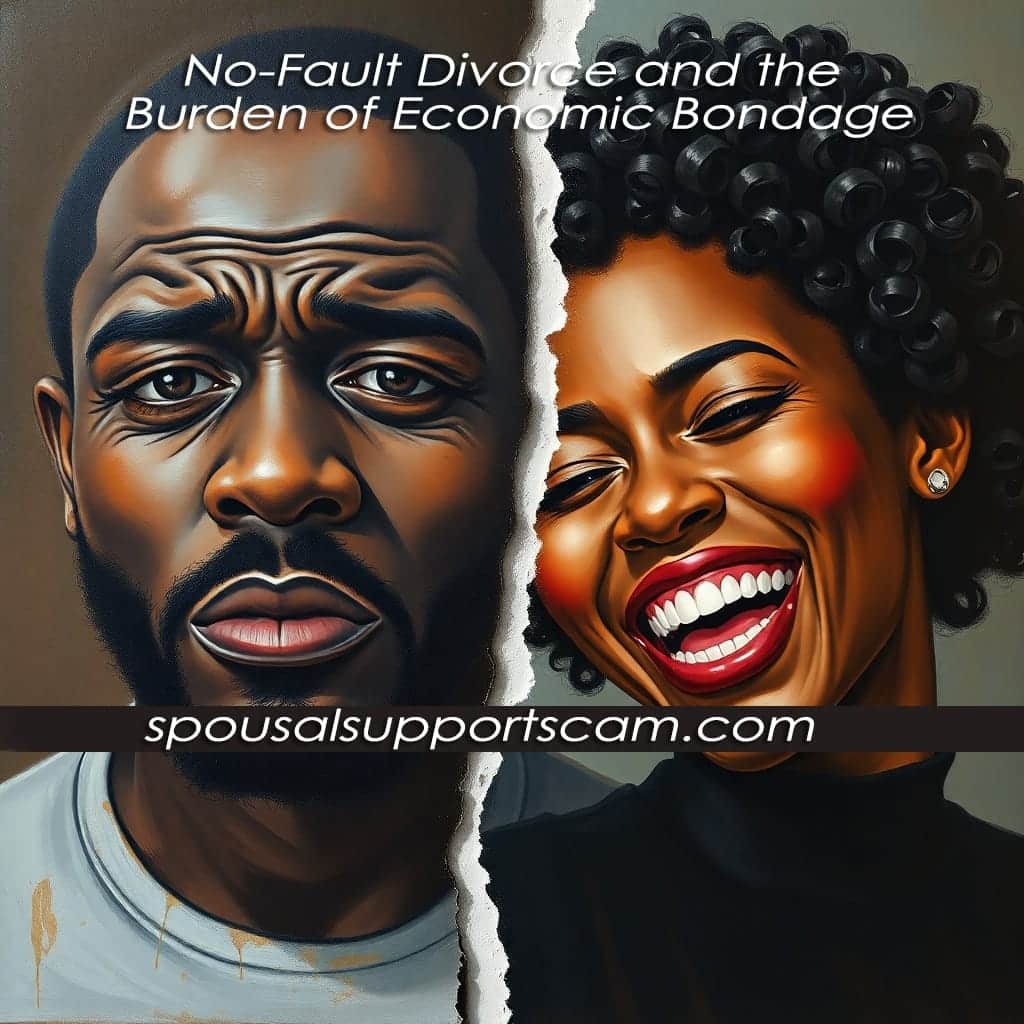

The end of a marriage is rarely simple, but the introduction of no-fault divorce laws promised a humane, less confrontational exit. Yet, for many, the legal framework that facilitates freedom for one party can simultaneously enforce severe, morally ambiguous hardship on the other. This devastating imbalance is acutely felt in cases where a seemingly stable, long-term partnership is unilaterally dissolved, leading to what can only be described as a legal form of bondage.
Consider the reality facing John (a pseudonym), a dedicated father and husband whose 20-year marriage appeared, by all external measures, successful. He was happily employed, the primary financial provider, and shared a warm, functional family life with his wife and children. His wife, Sarah, was also employed full-time in a job she enjoyed, yet she had quietly grown unhappy—a discontent fueled, perhaps, by the emotional upheaval of perimenopause and an escalating obsession with the curated, aspirational lifestyles viewed on social media. She wasn’t seeking resolution or counseling; she wanted an exit, spurred by a desire for a “new life” that involved exploring new relationships.
The announcement was a brutal, complete blindside. John was given no warning, no chance to negotiate, and, in a breathtaking maneuver, was immediately forced out of the marital home—a home he had significantly contributed to purchasing and maintaining. The legal system, designed to protect her right to initiate the split, inadvertently provided the mechanism for his instantaneous dispossession.
The fallout was immediate and catastrophic. Sarah successfully leveraged the system to present a narrative suggesting John was culpable, an easy assumption given his sudden departure. His relationship with his children fractured completely, as did his bonds with his extended family, who believed the public face of the divorce—that he must have done something wrong to warrant such swift action. He was left isolated, financially crippled, and emotionally shattered, his reputation unfairly ruined by silence and circumstance.
The financial repercussions were the final, crushing blow. As a consequence of the long-term marriage and the principle of equalization, John was forced to liquidate significant assets. More devastatingly, the court mandated that he pay a substantial percentage of his future income—reportedly over 40%—in spousal support. This support was intended to maintain Sarah’s standard of living in the very house she forced him out of, despite her own full-time employment and capacity for a comfortable life.
John’s financial independence vanished. He is now forced to struggle fiercely just to sustain his own dramatically reduced life while effectively funding Sarah’s new, vibrant existence, complete with new pursuits and relationships enabled by her social media-driven quest for novelty. The legal obligation is permanent, acting as an unending leash tethering him to his ex-wife’s financial needs.
This is the dark side of a legal system that values technical fairness over moral accountability. While the law allows Sarah freedom and financial security, it simultaneously condemns John to financial bondage and emotional isolation. The legal justification is clear, but the moral implications are devastating: when a marriage ends not due to fault, but unilateral, selfish discontent, the outcome should not be the wholesale destruction of one spouse’s life for the betterment of the other. John is now a slave to a financial decree, highlighting the stark reality that what is legal is not always humane, fair, or morally acceptable.